How Can You Use a Roth IRA Calculator for Retirement Planning?
A Roth IRA retirement calculator isn't merely a fun little tool to play with, it's a genuine retirement planning compass worth taking seriously. Here's exactly how to put it to real, practical use for your future.
A Roth IRA retirement calculator isn’t merely a fun little tool to play with, it’s a genuine retirement planning compass worth taking seriously. Here’s exactly how to put it to real, practical use for your future.
What Retirement Goal Should You Set?
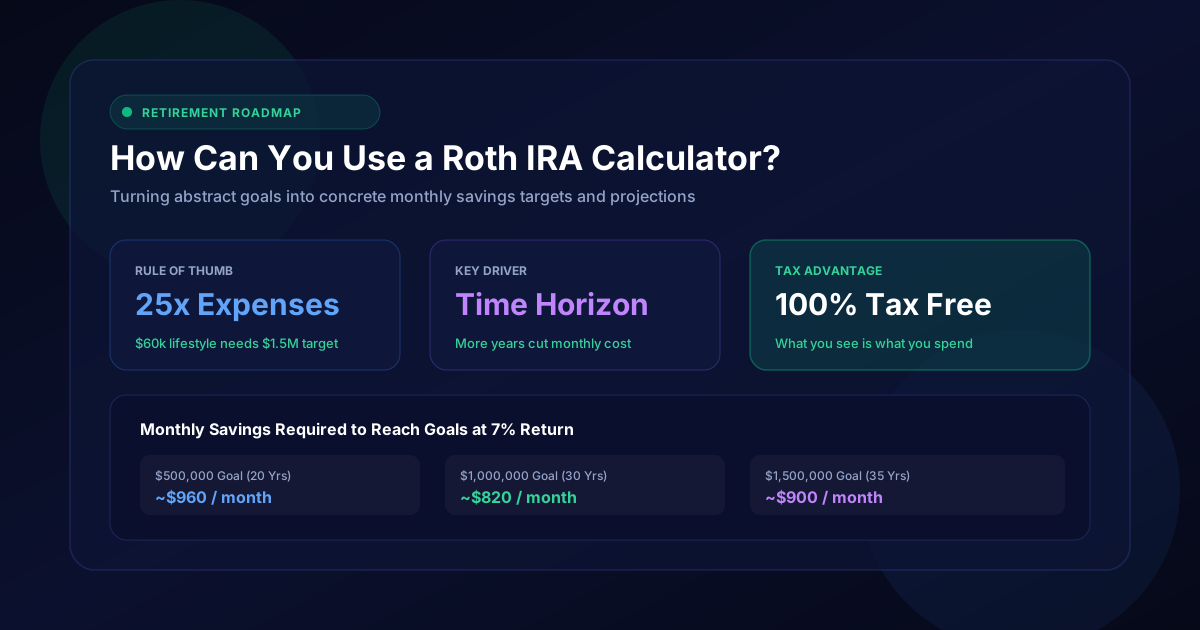
Start by establishing a clear target number, often calculated as 25 times your expected annual expenses.
This concrete retirement goal becomes the finish line your ongoing calculator projections should consistently aim carefully toward. Spending $60,000 yearly implies a $1.5 million target under that rule of thumb.
How to Estimate Your Future Retirement Balance
Input your current age, contributions, and expected return honestly.
The tool projects your future retirement balance clearly, giving you a genuinely concrete number instead of just a vague, hopeful feeling about someday being fine. Concrete numbers change behavior; vague hopes rarely do.
How Inflation Changes Your Retirement Target
A dollar today simply won’t buy the same amount thirty years from now.
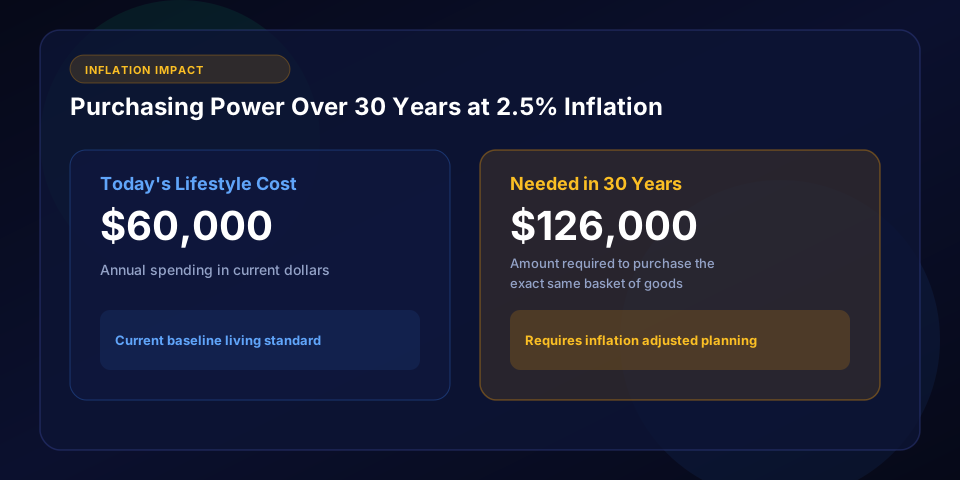
Inflation steadily erodes purchasing power by roughly 2-3% annually, so your real target should realistically be set higher than today’s comfortable-seeming number. At 2.5%, today’s $60,000 lifestyle costs about $126,000 in thirty years.
How to Estimate Future Retirement Expenses
Housing, healthcare, and everyday living costs all naturally shift as you age.
Many retirees actually end up spending somewhat less than during their working years, though healthcare costs often rise fairly significantly during that same stretch. Budget separately for the years before Medicare eligibility.
How Social Security Fits Into Retirement Planning
Social Security typically replaces only about 30-40% of pre-retirement income for the average earner.
Your Roth IRA should realistically fill the remaining gap alongside whatever other savings accounts you’re also building over time.
How Other Investment Accounts Affect Your Plan
Don’t calculate your Roth IRA balance in complete isolation from everything else.
Combine it thoughtfully with 401(k) balances and other investment portfolio holdings to build a genuinely full retirement income picture worth trusting.
How to Estimate Your Required Savings Rate
Divide your overall retirement goal by your remaining working years and expected return rate.
This calculation reveals the actual savings rate you genuinely need to hit in order to reach your stated target comfortably.
| Retirement Goal | Years Until Retirement | Required Monthly Savings (7%) |
|---|---|---|
| $500,000 | 20 | ~$960/month |
| $1,000,000 | 30 | ~$820/month |
| $1,500,000 | 35 | ~$900/month |
Notice the middle row. More time means a larger goal costs less per month.
How to Adjust Your Plan When Income Changes
Raises, unexpected job losses, or sudden windfalls all genuinely warrant recalculating your numbers.
A flexible retirement strategy adapts smoothly over time, rather than stubbornly sticking to outdated numbers calculated years earlier.
How to Test Different Retirement Scenarios
Run best-case, moderate, and worst-case return scenarios side by side.
“Plan for 5%. Hope for 8%. Never build your life around 11%.”
Testing multiple retirement projection paths thoroughly prepares you for whatever the actual market eventually decides to deliver.
How to Build a Long-Term Roth IRA Strategy
Revisit your calculator results at least once every year without fail. Adjust contributions upward as your income naturally grows.
A living, regularly updated plan genuinely beats a static one calculated once and then completely forgotten.
Case Study: The Annual Review
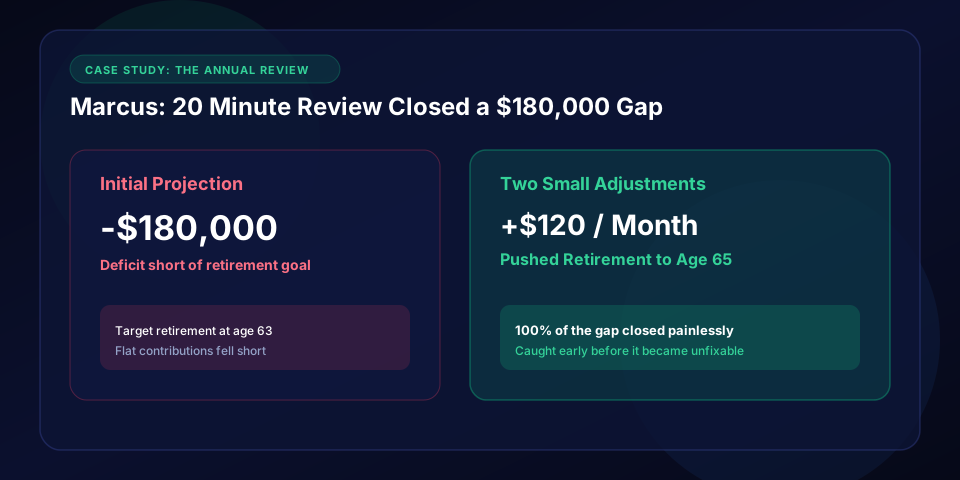
Every January, Marcus spends twenty minutes updating his projection. One year the numbers showed him falling $180,000 short of target. He raised his contribution by $120 monthly and pushed his retirement date from 63 to 65. Two small adjustments, caught early, closed the entire gap without any painful sacrifice.
Conclusion
A Roth IRA calculator transforms otherwise abstract retirement dreams into a genuinely actionable financial planning roadmap worth following.
Use it consistently, adjust it often as life changes, and let the honest numbers guide your smarter financial decisions.
Ready to calculate your own tax free retirement savings?
Test different contribution rates, return assumptions, and compare against taxable accounts.